
Think about the last time you learned something new online. Did you read a long article, or did you watch a quick video? Chances are, it was a video, and you are not alone. Across every industry, every age group, and every device, video has quietly become the way the internet communicates. Not a trend, not a phase a fundamental shift in how information moves.
For business owners who are just beginning to explore what digital marketing actually means, this shift matters enormously. Understanding why video took over is the first step toward building a marketing strategy consultation that actually works for your business in 2026 and beyond.
Here is a fact that puts everything into perspective: video now accounts for roughly 82% of all global internet traffic. That means the overwhelming majority of everything happening online, the scrolling, the searching, the sharing, is driven by video content.
89% of businesses now use video as a marketing tool, and 93% of marketers report a positive return on investment from their video efforts. Wyzowl, 2025
But statistics alone do not explain the “why.” For that, we need to look at how people actually think, learn, and make decisions.
The human brain processes visual information significantly faster than text. When you combine moving images with sound and storytelling, you create an experience that is easy to absorb without effort. This is not a gimmick it is basic cognitive science.
Studies show that viewers retain up to 95% of a message when they watch it in a video, compared to just 10% when reading the same message as text. For small business owners trying to explain what they do, why they are different, and why someone should trust them, that gap is everything.
This is precisely why any experienced internet marketing company worth its salt will tell you: if your business is not visible through video, it is barely visible at all.
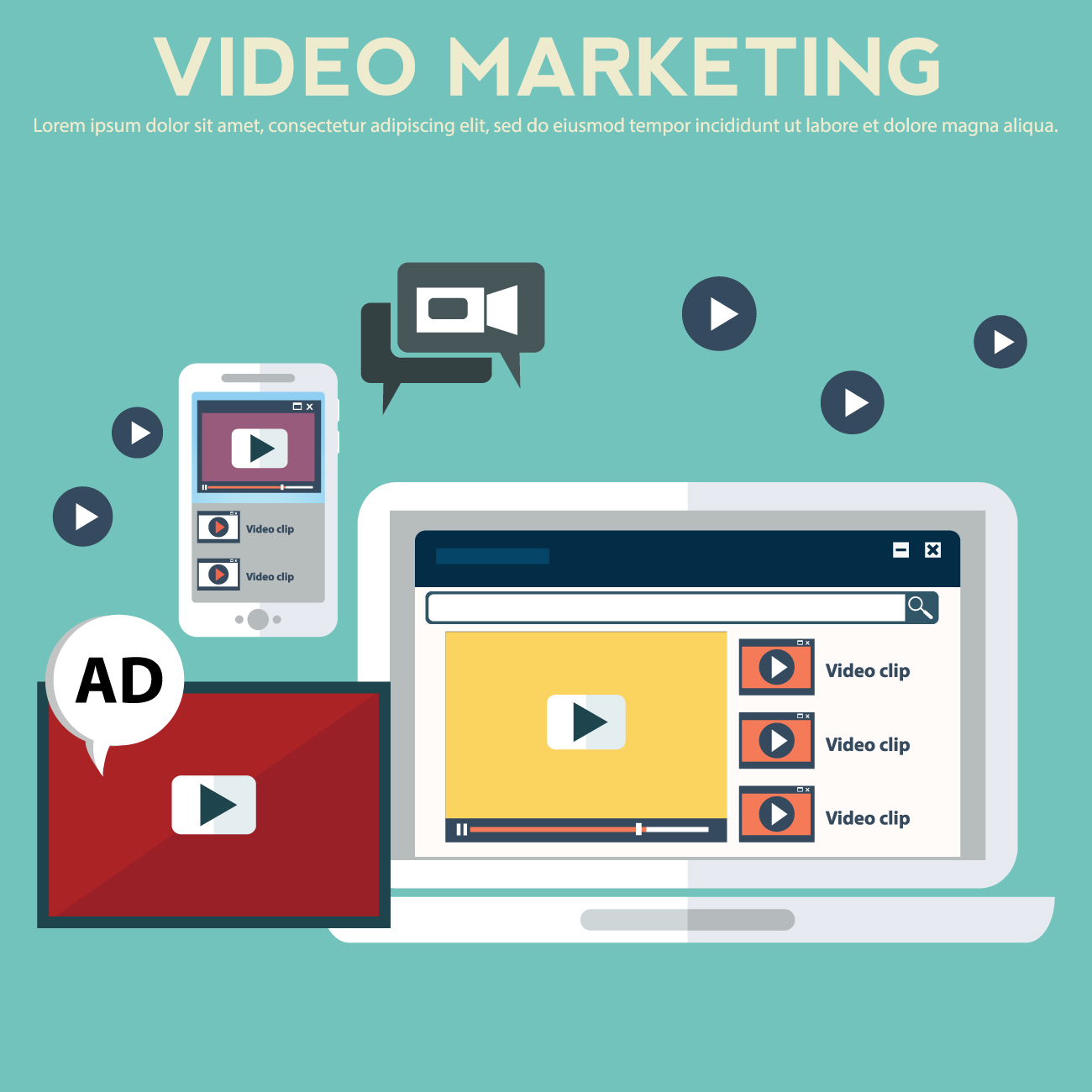
A major reason video became the default language is that the platforms people use every day were specifically built to reward it. Instagram Reels, YouTube Shorts, TikTok, Facebook Watch these are not just features. They are entire ecosystems designed to keep people watching, sharing, and discovering businesses through moving content.
An effective social network marketing strategy in 2026 is not about posting text updates or sharing links. It is about showing up in someone’s feed with a video that earns their attention in the first two seconds. Algorithms on every major platform prioritise video content because their own data confirms that people engage with it longer and share it more.
Short-form videos under one minute have an average engagement rate of 50%, and users spend 88% more time on websites that feature video content.
This means if your website still relies entirely on text and static images, you are likely losing potential customers who land on your page and leave within seconds simply because there is nothing to watch.
Here is where many small business owners feel stuck. The assumption is that video marketing requires expensive equipment, a full production team, and hours of editing.
That assumption is outdated. Here is what actually matters:
Marketing firms for small businesses now routinely help owners create high-performing video content on modest budgets — because the value comes from clarity and consistency, not production cost. Before you hit record, ask yourself three things:
When a dental clinic posts a one-minute video explaining what to expect before a root canal, it reaches the exact person who is anxious and searching for reassurance. When a restaurant shows the preparation of its signature dish, it speaks directly to the person deciding where to eat on a Saturday night.
A 60-second answer to your most common customer question content that serves at the right moment.
This is what good website design and marketing looks like in practice — content that serves the customer at the exact moment they need it.
The intersection of digital marketing and AI is reshaping how video content is planned, produced, and distributed. The numbers tell a striking story:
For a business owner who feels overwhelmed by the idea of creating content consistently, this is significant. The barrier to entry for video marketing has never been lower.
AI tools can now analyse which video topics perform best for a given audience, generate scripts, suggest optimal posting times, and even personalise content based on viewer behaviour. What used to require a dedicated team and a sizeable budget can now be approached thoughtfully with the right tools and strategy.
A skilled digital marketing consultant can help you identify which video formats — short-form social clips, explainer videos, testimonials, or behind-the-scenes content — are best suited to your industry, your audience, and your goals. The strategy matters as much as the content itself.
If you have heard the phrase “search engine optimisation” and wondered what it actually means for your business, here is a practical example: Google regularly displays video results at the very top of its search pages above all other websites. A well-optimised video can position your business in front of a potential customer before they even scroll to find your competitors.
Working with a digital marketing agency for small businesses means someone is thinking through these details for you — making sure your videos are titled correctly, described accurately, and uploaded in places where your target customer is already searching. That kind of visibility does not happen by accident. It is the result of deliberate, informed planning.
Video is no longer optional — it is the language your customers are already speaking. We Love Digital Marketing helps businesses of every size show up where it matters, say the right things, and turn viewers into loyal customers. Whether you are starting from zero or looking to scale what you have already built, our team is ready to create a strategy that works.
Let’s build your video strategy.
Video combines visual, auditory, and emotional elements simultaneously, making it far easier for the brain to absorb and remember. Research consistently shows that message retention from video is many times higher than from text alone. For businesses, this translates directly into stronger brand recall and higher conversion rates.
Video marketing is arguably more powerful for small businesses than for large corporations, because it allows a smaller brand to build genuine, personal connections with a local audience. A short, authentic video from a business owner often outperforms a polished ad from a national brand — because people connect with people, not logos.
The most consistently effective formats are short explainer videos (answering common customer questions), behind-the-scenes content (building trust and humanising the brand), and customer testimonial videos (providing social proof). The right mix depends on your industry and your audience — which is where a professional strategy becomes valuable.
Google prioritises pages that include video, particularly when the video is relevant to a user’s search query. Websites with embedded video content see significantly higher average time-on-page, which signals to Google that the content is valuable. Additionally, video results often appear as featured snippets — prime real estate at the very top of search results pages.
Getting started does not require a large budget. A smartphone with good lighting and a quiet space is enough to produce content that performs well on social platforms. The more important investment is strategy — knowing what to say, to whom, and where to publish it. That strategic foundation is what separates video content that drives business from video content that simply exists.