

Content marketing in 2026 is less about chasing every new platform and more about earning attention, trust, and loyalty. Audiences are sharper, algorithms are stricter, and technology is moving faster than ever. To stay competitive, brands need content that is intentional, credible, and genuinely useful.
Content Marketing trends in 2026 reflect how people actually consume content now, across search, social, video, and private communities. Here’s what’s shaping content marketing in 2026, and how brands can use these shifts to their advantage.
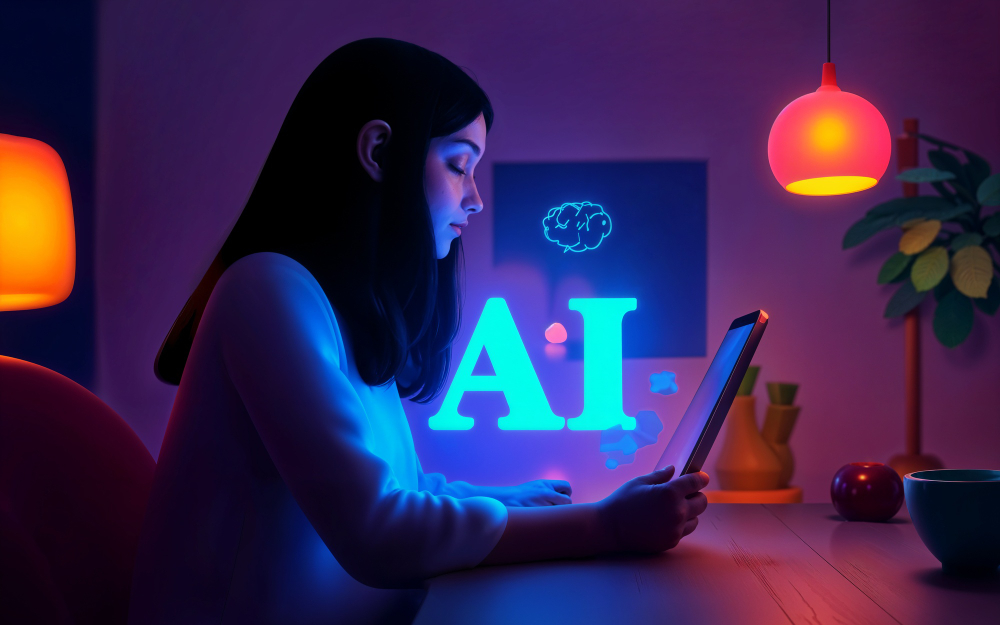
By 2026, AI tools will be embedded into almost every stage of content creation, from research and outlines to performance analysis. The difference now is how brands are using them.
Smart teams treat AI as a productivity partner, not a replacement. Human insight, lived experience, and brand perspective are what make content stand out, especially as generic AI content becomes easier to spot.
What works:
Use AI to speed up research, structure ideas, and analyze performance, while keeping strategy, storytelling, and final editing human-led.
Short-form video continues to dominate platforms like TikTok, Instagram Reels, YouTube Shorts, and LinkedIn. In 2026, however, audiences expect more than quick trends; they want clarity, value, and relevance.
Educational clips, behind-the-scenes moments, and expert insights are outperforming purely viral content, especially in B2B and service-based industries.
What works:
Focus on clear messaging in the first three seconds, simple visuals, and content that solves a real problem or answers a specific question.
Content repurposing is no longer optional; it’s how brands stay visible without burning out their teams. A single high-quality blog, report, or video can fuel weeks of content across platforms.
In 2026, brands are planning content in “ecosystems,” not one-off posts.
What works:
Turn long-form content into short videos, carousels, email snippets, FAQs, and social captions, while keeping the core message consistent.
Audiences still expect personalized content, but they’re also more privacy-aware than ever. With stricter data regulations and cookie limitations, brands are leaning into contextual and intent-based personalization.
This means tailoring content based on behaviour and interests, without crossing trust boundaries.
What works:
Segment audiences thoughtfully, personalize messaging based on real needs, and be transparent about how data is used.
Search behaviour in 2026 goes far beyond traditional search engines. People are discovering content through AI search summaries, YouTube, TikTok, Reddit, and community forums, often before they ever visit a website.
Zero-click searches and AI-generated answers mean content must be clear, authoritative, and well-structured.
What works:
Create content that answers questions directly, uses natural language, and is optimized for snippets, FAQs, and conversational queries.
User-generated content has evolved. Audiences now value authentic experiences over heavily produced brand campaigns. Reviews, creator collaborations, customer stories, and employee-led content build far more trust than traditional ads.
What works:
Encourage customers and team members to share honest experiences. Highlight real stories instead of overly scripted testimonials.
In 2026, audiences expect brands to back up their values with action. Surface-level messaging around sustainability, diversity, or community impact no longer works.
Canadian audiences, in particular, respond well to transparency, practicality, and real outcomes.
What works:
Share measurable impact, local initiatives, partnerships, and behind-the-scenes efforts that show your values in action.
Voice assistants, visual search, and AI-powered discovery tools continue to grow. Content now needs to work across spoken queries, image searches, and AI summaries.
This shift rewards content that’s simple, descriptive, and well-structured.
What works:
Use conversational language, descriptive headings, strong alt text, and clear formatting that helps both users and machines understand your content.
Public social feeds are crowded, but private spaces are thriving. Communities on platforms like Discord, Slack, WhatsApp, and private LinkedIn or Facebook groups are becoming powerful content channels.
Brands are moving from broadcasting to participating.
What works:
Share exclusive insights, practical resources, and meaningful conversations in smaller communities rather than pushing promotional content.
Interactive content in 2026 is less about novelty and more about usefulness. Calculators, quizzes, assessments, polls, and interactive guides help users make decisions and stay engaged longer.
What works:
Use interactive elements to educate, guide, or personalize the user journey—while collecting insights that improve future content.
Content marketing in 2026 rewards brands that are thoughtful, adaptable, and audience-led. The goal isn’t to be everywhere, it’s to be relevant where it matters. By focusing on clarity, trust, and real value, brands can build long-term relationships instead of chasing short-term attention.
Looking to stay ahead in content marketing?
At We Love Digital Marketing, we help brands create data-driven, future-ready content strategies that actually connect with real people. If you’re ready to strengthen your content approach for 2026 and beyond, we’re here to help.